What You Eat in Karuizawa Is Decided by the Day and the Season
Out among the fields, three places close on Tuesdays and Wednesdays — not the same day

Food in Karuizawa divides into the shops along the resort street and the town's own market out among the fields. Each shop on the street runs on its own terms and is hard to check from outside. Karuizawa Hatsuchi Ichiba, south of the station, publishes its hours and closing days — for the farmers' market and for the three places inside it. Their closing days fall on different weekdays, Tuesday and Wednesday, and the vegetables have their seasons. So look at the day of the week and the time of year before you decide what to eat. The hours and prices below are the current published figures, but they change, so check the official pages before you set out.
On this page
- Karuizawa's food splits between the resort side and the farming side
- The field side is reached by the town loop bus
- The farmers' market shortens in winter and closes on Wednesdays
- Inside one building, three places close on different weekdays
- For shops on the street, read the table for the period you are travelling in
Karuizawa's food splits between the resort side and the farming side
Karuizawa Hatsuchi Ichiba's own site places it in the Hotchi district, where the fields open out, within the quiet southern part of Karuizawa that is dotted with museums and cafés. It describes itself as the farming Karuizawa rather than the resort one. about Hatsuchi Ichiba
The place itself is a food market: a farmers' market selling vegetables and preserves grown locally, restaurants cooking with local ingredients, and an event space. It opened in 2016 as a direct-sales facility for farm produce.
For walking the street side, see how to choose an area; for a day that includes it, see a day inside Kyu-Karuizawa. This article stays inside what can be confirmed officially: opening hours and closing days.
The field side is reached by the town loop bus
You reach Karuizawa Hatsuchi Ichiba from Karuizawa station on the town loop bus. The official guidance gives about 20 minutes going one way round the loop and about 30 to 40 minutes going the other. Get off at the Karuizawa Hatsuchi Ichiba stop. getting to Hatsuchi Ichiba
The fare is a flat ¥100, and ¥50 for elementary school age and under.
The site is open 9:00 to 17:00. Hours for the farmers' market and the eating places shift with the season. It closes over the new year holidays and on maintenance days.
The farmers' market shortens in winter and closes on Wednesdays
The farmers' market is open 9:00 to 17:00, but from January to March it runs 9:00 to 16:00, and from November to March it closes every Wednesday. If you are going for the vegetables in winter, that is where the plan turns. the farmers' market
What fills it is Karuizawa Kirishita, the town's branded produce. The official explanation is that the morning mist of the highlands wraps the vegetables so their surfaces never dry out. Only produce that clears a strict standard may carry the name.
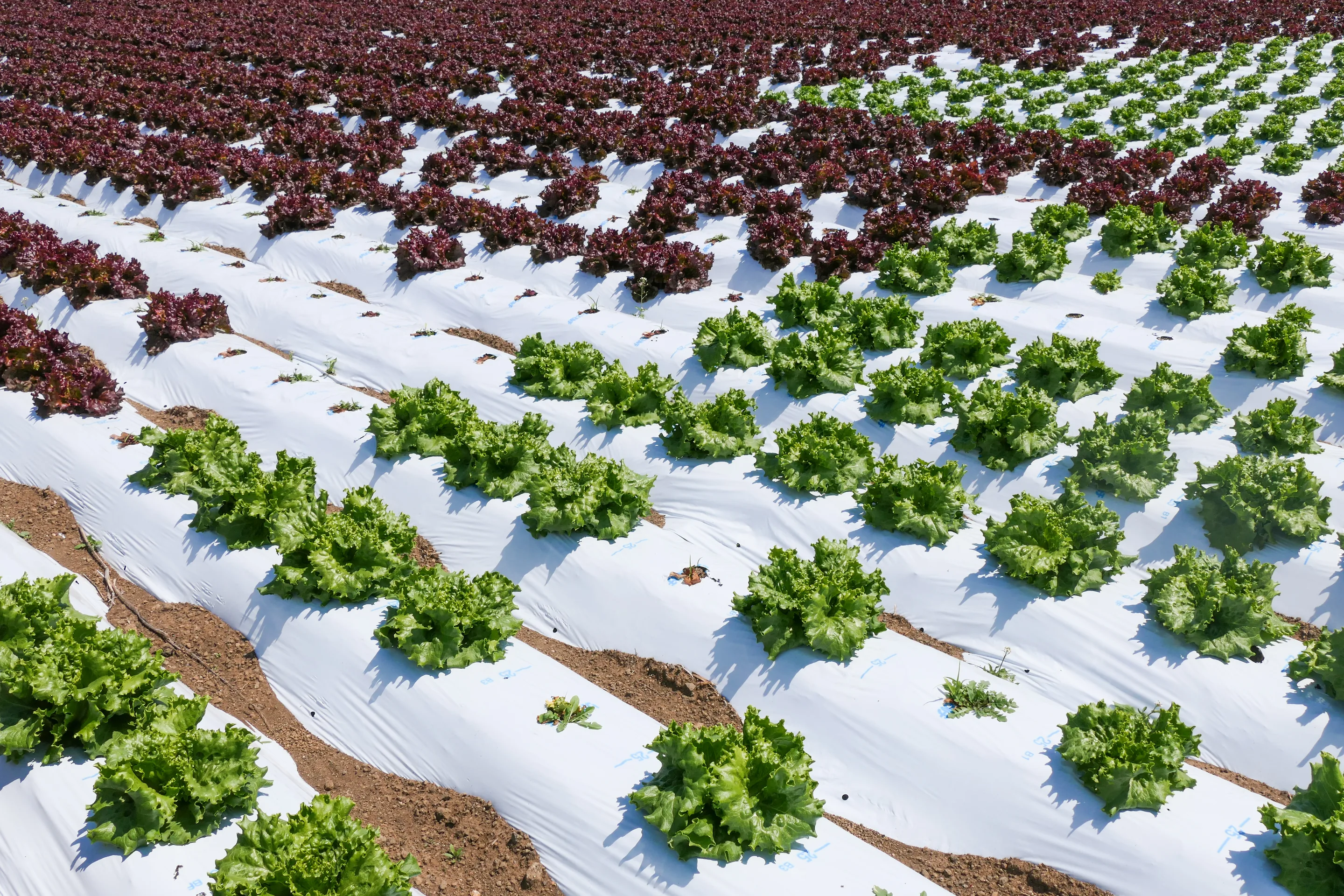
The main vegetables have their seasons. The official list gives cabbage from mid-June to around November, lettuce from June to around October, cucumber from mid-June to around October and sweetcorn from mid-July to around October. Fruit tomatoes run all year.
Inside one building, three places close on different weekdays
Teuchi soba Kaoriya opens 11:00 to 15:00, with last orders at 14:45, and closes on Tuesdays. Its listing says the buckwheat is grown in Karuizawa, milled entirely in house, and the noodles cut by hand. Kaoriya's listing
Atelier de Fromage at Hatsuchi Ichiba opens 9:30 to 16:30. Pizza is served 10:00 to 16:00, and on Thursdays the shop runs 9:30 to 15:00 only. It closes on Wednesdays. Both the hours and the closing day shift with the season, as the listing states. Atelier de Fromage's listing
Shirohotaru Kitchen opens 9:30 to 16:30, and 9:30 to 15:30 on Tuesdays. No weekday is marked closed on its official table. It cooks only with plant ingredients, including soybeans it grows itself. Shirohotaru Kitchen's listing
So Tuesday is the day without soba, and Wednesday the day without pizza. If you already know what you want to eat, start from the weekday.
For shops on the street, read the table for the period you are travelling in
Harunire Terrace in Naka-Karuizawa is a run of buildings along the river linked by wooden decking, with restaurants, cafés and shops together. What makes it hold up in rain, or on an awkward weekday, is that everything is in one place.
But the hours are not fixed. The Hoshino area's official hours page is a table divided by period, and the same shop opens at different times from one period to the next. Do not assume the usual time; read the column for the dates you are travelling. opening hours in the Hoshino area
For the shops on the Kyu-Karuizawa street, this article does not print individual hours: only each shop's own site can confirm them. If it rains, see what to do in the rain; for the journey from Tokyo, see getting to Karuizawa.
What is Karuizawa known for eating? +
As far as official sources go: Karuizawa Kirishita, the branded vegetables grown in the town; soba made from buckwheat grown in Karuizawa; and cheese from the workshop at the foot of Mount Asama. Where a shop's history or standing is not published officially, this article leaves it out.
Do I need to book? +
The three places inside Karuizawa Hatsuchi Ichiba publish their hours and closing days. Whether a booking is needed differs from one to the next, so check the official listing or call.
When can I buy the vegetables? +
The official list gives cabbage from mid-June to around November, lettuce from June to around October, cucumber from mid-June to around October and sweetcorn from mid-July to around October, with fruit tomatoes all year. In winter the farmers' market shortens to 9:00 to 16:00, and from November to March it closes every Wednesday.
What about rain, or winter? +
Karuizawa Hatsuchi Ichiba is indoors, but in winter the farmers' market keeps shorter hours and closes on Wednesdays. A rainy day built around something other than food is covered in a separate article.